


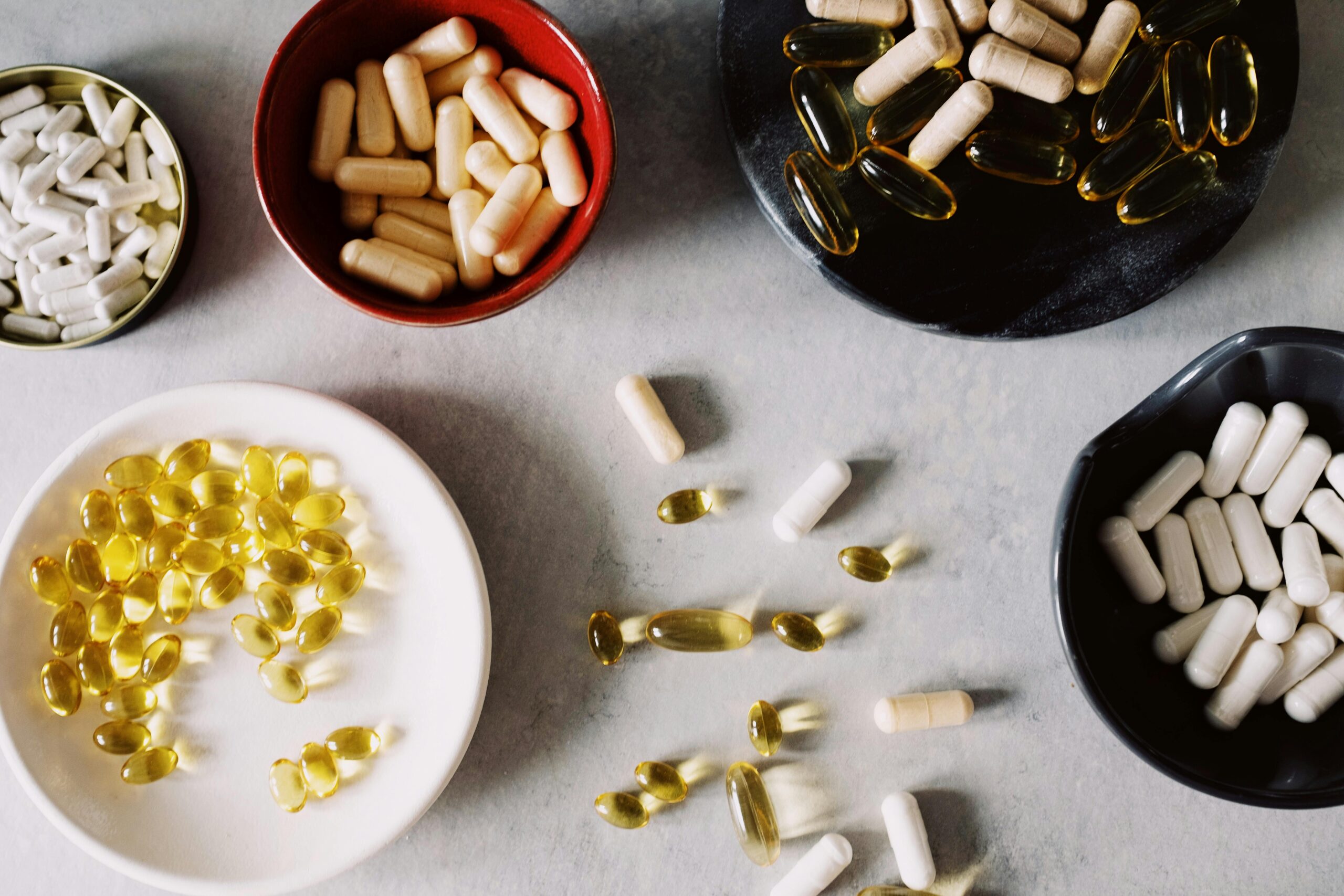
With the global wellness industry booming and everyone wanting glowing skin, better focus, and more energy — supplements have become part of daily life. But among the sea of capsules and powders on your social feed, which ones actually work?

In this article, you’ll find 5 science-backed supplements that are worth your money in 2025 — plus how to take them, what to avoid, and what really works (without hype).
1. Omega-3 Fatty Acids (Fish Oil or Algal Oil)
Why it works:
Omega-3s are essential fats that support brain function, heart health, and reduce inflammation. They’re especially useful if your diet lacks fatty fish.
Science-backed benefits:
-
Lowers triglycerides (heart health)
-
Improves mood and cognitive function
-
May reduce symptoms of depression and anxiety
How to use it:
Look for 1000mg+ EPA/DHA per day.
Vegans? Go for algal oil instead of fish oil.
Pro tip:
Check for certifications like IFOS or GOED to ensure purity and no heavy metal contamination.
2. Vitamin D3 (with K2)
Why it matters:
Up to 70% of Indians and 40% of Americans are Vitamin D deficient, especially in urban areas due to lack of sun exposure.
Health impact:
-
Boosts immunity
-
Supports bone density
-
Regulates hormones and mood
Dosage:
1000–2000 IU/day is safe for most people. Combine with K2 (MK-7) to enhance calcium absorption and prevent arterial calcification.
3. Magnesium Glycinate
What it does:
Magnesium plays a vital role in over 300 cellular processes, but most diets fall short.
Best for:
-
Stress, anxiety
-
Better sleep
-
Muscle recovery
-
PMS relief
Why Glycinate form?
It’s gentle on the stomach and more bioavailable compared to oxide or citrate.
Dosage:
200–400 mg/day, preferably before bed for relaxation.
4. Ashwagandha (KSM-66 or Sensoril Extract)
Ayurveda meets science:
This adaptogenic herb has taken over the supplement scene — and for good reason.
Backed by studies:
-
Reduces cortisol (stress hormone)
-
Improves energy, sleep, and focus
-
May boost testosterone and muscle mass
Daily dose:
300–600 mg (standardized extract)
Avoid raw ashwagandha powder – it’s less effective and harder to digest.
5. Collagen Peptides (Type I & III)
Skin, hair & joint health:
Collagen levels naturally decline after age 25. Supplementing with hydrolyzed collagen can improve skin elasticity, reduce wrinkles, and strengthen hair and nails.
Clinical results:
A 2022 study showed that daily collagen users saw a 20% improvement in skin hydration and elasticity within 8 weeks.
How to take it:
10g/day mixed in smoothies or coffee.
Look for brands with added Vitamin C for better absorption.
What to Avoid (Overhyped or Low-CPC Supplements)
-
Detox teas or “flat tummy” powders — No scientific basis, low AdSense value
-
Generic multivitamins — Often poorly absorbed and filled with fillers
-
Apple Cider Vinegar Pills — Better to take real ACV (with the “mother”) or skip it entirely
Final Tips to Maximize Supplement Benefits
-
Always take fat-soluble vitamins (A, D, E, K) with food
-
Avoid mixing calcium and magnesium at the same time — they compete for absorption
-
Cycle adaptogens like Ashwagandha (e.g., 5 days on, 2 days off)
-
Consult a doctor before combining multiple supplements if you’re on medication
Conclusion
Supplements should supplement, not replace, a healthy diet. That said, the 5 listed above are proven by clinical research to support health goals — whether it’s glowing skin, mental clarity, or better sleep.
Next time you’re at the pharmacy or shopping online, skip the trends and go for what science supports.