


Why a freelance side hustle can be a game‑changer 💡
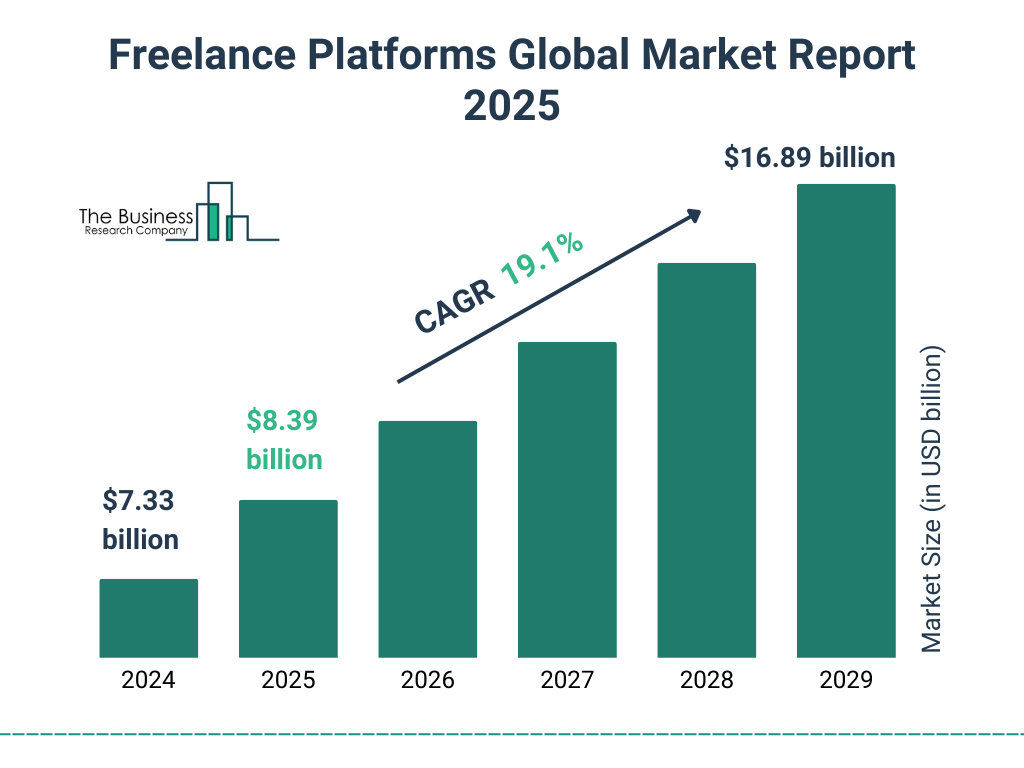
Freelancing has exploded — firms worldwide are increasingly tapping into the freelance economy, helping global market value surge 14.5% in just one year . Whether you’re looking to escape the 9–5 grind, explore a passion, or grow digital income streams, a well-crafted freelance side hustle can give you freedom and extra cash.

Smart monetization (like AdSense or high-CPC affiliate marketing) hits two targets — income diversification and higher per-click earnings. Plus, clients are open to paying more for quality, specialized skills, especially in niches like SEO, design, marketing, and tech.
Step 1: Find your high-value niche 🎯
Pick a skill that meets these criteria:
-
In demand — areas like digital marketing, SEO, front-end development, UI/UX, IT support, or content writing rate high per-hour or per-project (many exceed $50–$100/hr in 2024) ZipRecruiter.
-
Interest aligned — choose something you enjoy and can consistently produce content around.
-
Scalable — digital skills allow bottlenecks to be avoided and audience reach to multiply.
Freelancing categories in tech and marketing consistently command premium pay. According to recent reports, programming and mobile development average $55–$70/hr — that’s roughly ₹4,500–5,500/hr in India Freelance MVP.
Step 2: Build your professional presence
You’ll need three key assets:
-
Portfolio – Create sample projects or case studies. For instance, write a sample SEO blog post or publish a simple landing page design.
-
Profiles – Sign up on Upwork, Fiverr, LinkedIn, or specialized freelance sites. Optimize with keywords like “SEO specialist,” “content marketer,” or “front-end developer” for client searches.
-
Personal site or blog – A blog targeting high-CPC keywords (e.g., “best SEO tools,” “how to optimize Google Ads”) helps boost both credibility and long-term AdSense revenue.
Step 3: Set compelling rates — and increase them
Pricing strategy matters:
-
Start confidently — match average rates: writers $30–$40/hr, developers $50–$70/hr ehandbook.com+1christytuckerlearning.com+1ZipRecruiter.
-
Be transparent — use fixed or milestone-based rates to reduce client hesitation.
-
Reassess regularly — as your experience grows, increase rates. Many freelancers review pricing quarterly or after each completed project.
Stand firm. If your work delivers results (traffic growth, improved conversions, fast delivery), clients are happy to pay more — just ensure it’s justified and professionally communicated.
Step 4: Onboard clients purposefully
To resonate with potential clients:
-
Craft a standout pitch – Begin with what they need: e.g., “I can help you rank higher on Google using proven SEO strategies and tools.”
-
Showcase results – cite data: “I increased traffic by 40% in three months for a food blog.”
-
Offer a low-risk trial – something like, “I’ll optimize one blog post at a discount, and if you like the results, we can scale from there.”
Step 5: Deliver, document, and scale
Once projects start:
-
Manage expectations – Outline deliverables, timelines, revisions, and communication cadence upfront.
-
Track results – Use analytics. For example: “My SEO strategy lifted organic traffic by 50% QoQ.”
-
Collect testimonials – A 5-star review on your profile attracts future clients.
Step 6: Add monetization layers 🧩
Freelancing income is solid, but adding monetization layers helps diversify:
-
AdSense-optimized blog – Create long-form tutorials (e.g., “Step-by-step SEO audit”) targeting high-value CPC terms like “Google Ads vs. Facebook Ads.”
-
Affiliate links – Recommend tools you use (Airtable, Moz, Elementor). Disclose transparently and include real testimonials.
-
Digital products – Sell templates or mini-courses, like “Quick SEO Audit Template” or “30-Day Freelance Writing Bootcamp.”
These passive income sources build steadily over time and align well with your service offerings.
Step 7: Turn side hustle into main hustle (if you choose)
Here’s a growth path:
-
Recurring revenue – Offer monthly retainers (e.g., SEO for ₹25k/mo).
-
Offer assistant services – Outsource basics like research, editing, or admin tasks.
-
Automate & optimize – Use tools like Trello/Test, automate invoicing, tracking, and client updates.
-
Scale – Hire or partner with additional freelancers to accept more work.
You might soon find yourself running a small agency model — but starting solo ensures you master the craft first.
Final checklist
| Step | Task |
|---|---|
| ✅ | Select in‑demand skill |
| ✅ | Build portfolio & profiles |
| ✅ | Set and raise rates |
| ✅ | Pitch with clarity |
| ✅ | Deliver with tracking |
| ✅ | Monetize content + affiliate |
| ✅ | Scale with passive income & assistants |
Conclusion
Starting a freelance side hustle in 2025 means strategically combining skill, professionalism, and smart monetization. By choosing a high-value niche, delivering consistently, and adding passive income channels, your hustle can outpace expectations — both in earnings and flexibility.
Ready to take the leap? Next up: a full step-by-step guide for building your portfolio — just say the word, and we’ll craft it together!